

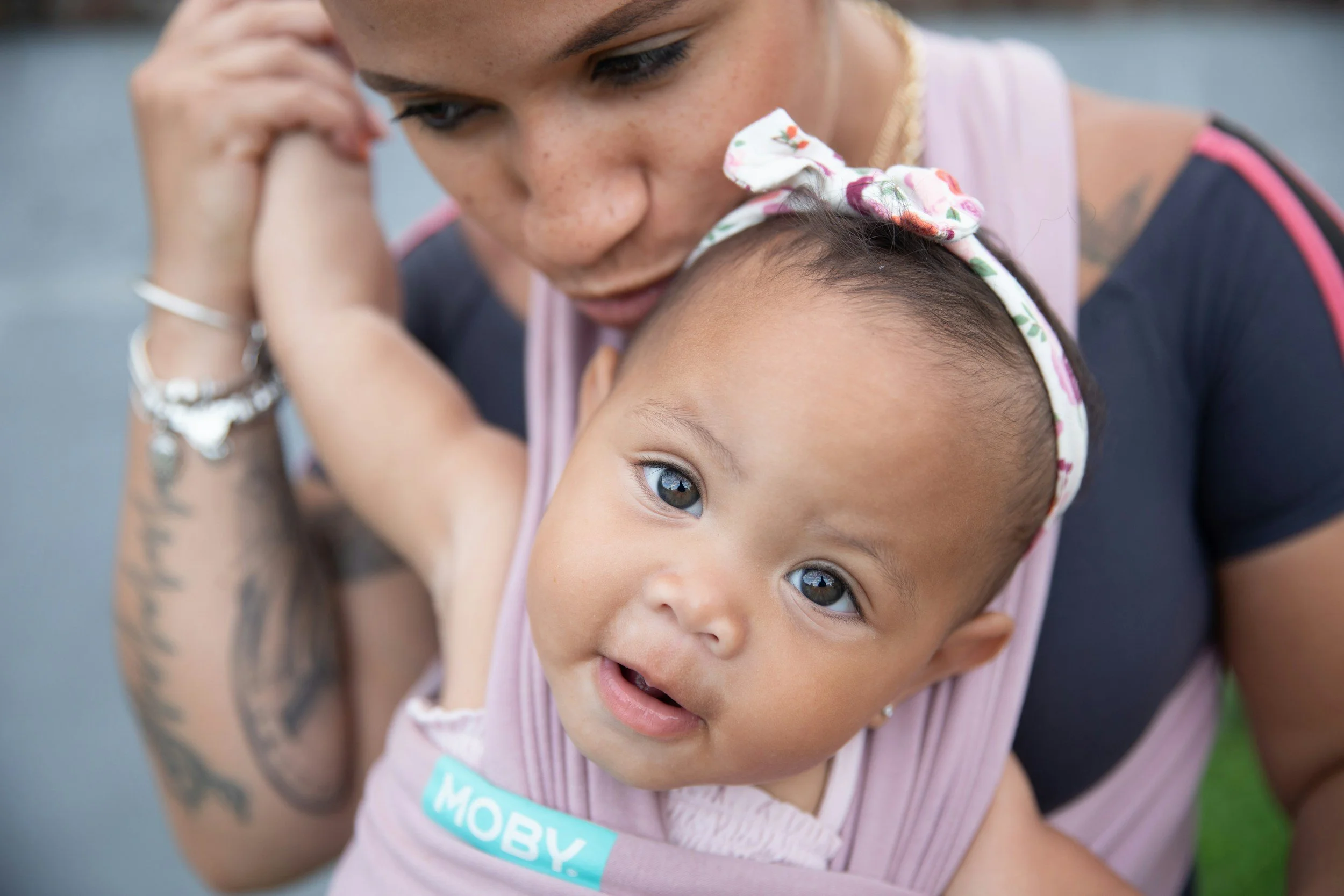
If your child makes sounds that aren’t words, imitate them while face to face. Make the movements of your mouth big, as if you are acting on a stage. This will help him follow the movements, again through mirroring. Similarly, you can imitate his movements during moments throughout play. This motor imitation can be used for a few minutes at a time (it can be tiring for the adults!) to support non-verbal communication, an important foundation children learn as they learn language. For example if your child is crawling, you can crawl alongside him. If they rolls; you roll. Feel free to add facial expressions.
Support Early Language Development with Imitation
Next
Next